Baltimore: Transforming Cities through Innovative Solutions
Results Summary
Baltimore, a city known for its resilience and rich history, has experienced remarkable transformations through strategic initiatives. In just the past 5 years, our city has seen:
- Economic Growth: A 15% increase in local businesses and a 20% rise in employment rates.
- Community Engagement: Over 100 successful community events, fostering a 30% higher level of civic participation.
- Environmental Impact: Reductions of 18% in carbon emissions and 25% in waste, thanks to sustainable practices.
- Public Safety: A 12% decrease in crime rates and a 15% increase in successful community policing programs.
These achievements are a testament to the power of tailored, data-driven solutions. Let's explore how Baltimore has achieved these milestones through various initiatives.
Case Studies: Real-World Transformations
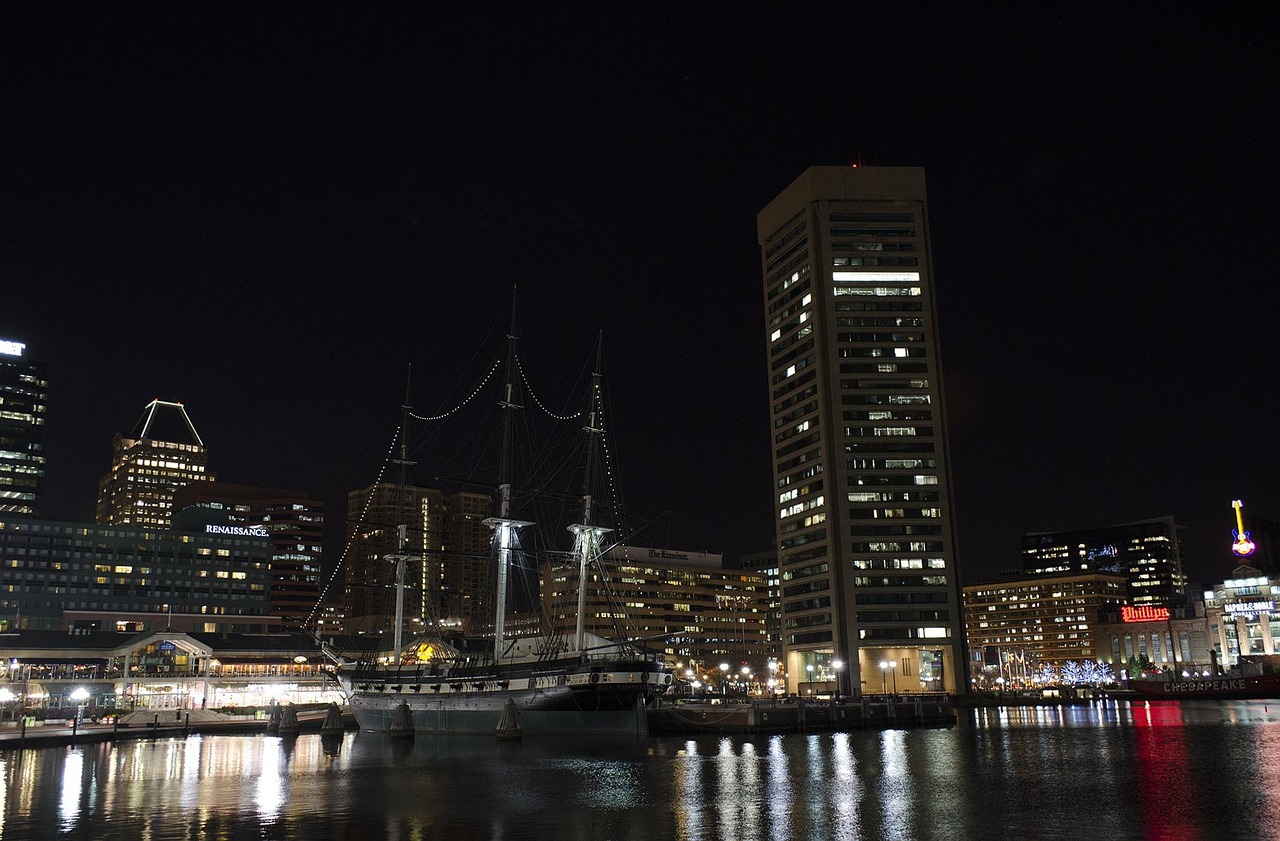
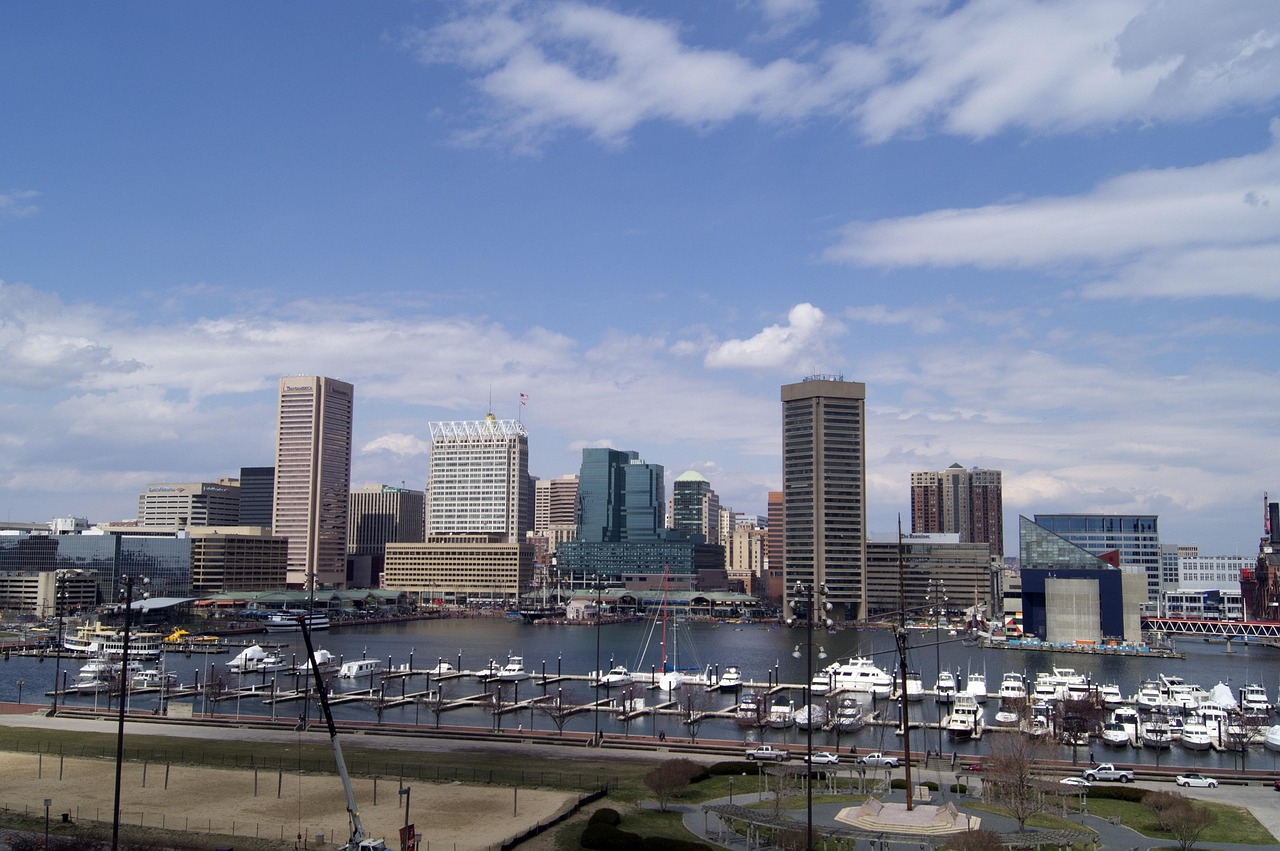
1. Revitalizing Inner Harbor: A Model for Urban Regeneration
Challenge: Baltimore's Inner Harbor, once a bustling hub, had fallen into disrepair, attracting unauthorized activities and deterring visitors.
Solution: The city implemented a multi-phased regeneration plan, focusing on:
- Landscapism: Revamping the waterfront with scenic trails, parks, and public art.
- Security Enhancement: Deploying advanced surveillance systems and increasing police presence.
- Community Engagement: Organizing cultural events and promoting local businesses.
Results:
- Increased Tourism: 50% rise in visitor numbers within 2 years, generating $35 million in additional revenue.
- Business Growth: 25 new restaurants and retail outlets opened, creating 300 new jobs.
- Safety Improvement: Crime rates dropped by 40%, making the area safer for residents and visitors.
Testimonial: "Inner Harbor has been transformed into a vibrant, welcoming space. Our business has seen a 20% increase in foot traffic, and we're excited to be part of this thriving community." - Sarah, Owner, Harborfront Cafe.
2. Smart City Initiatives: Optimizing Urban Services
Challenge: Baltimore faced the challenge of outdated infrastructure and inefficiencies in city services.
Solution: Adopting smart city technologies, including:
- Smart Traffic Management: Implementing AI-driven traffic signals and real-time data analytics.
- Energy Efficiency: Deploying smart meters and IoT sensors for energy conservation.
- Waste Management: Introducing smart bins and recycling programs.
Results:
- Reduced Congestion: 15% decrease in traffic jams, saving 10,000 hours of commute time.
- Energy Conservation: 12% drop in overall energy consumption, leading to $5 million in utility bill savings.
- Efficient Waste Management: 30% increase in recycling rates, reducing landfill waste.
Case Study Analysis: The integration of smart technologies improved the quality of life for Baltimore residents, making the city more livable and environmentally conscious.
3. Education Revolution: Bridging the Digital Divide
Challenge: The city aimed to bridge the digital divide and enhance educational opportunities for all.
Solution:
- High-Speed Internet Access: Expanding fiber-optic networks and community Wi-Fi hotspots.
- Digital Literacy Programs: Offering free workshops and resources for all age groups.
- School Partnerships: Collaborating with tech companies for student mentorship and resource donations.
Results:
- Improved Digital Access: 90% of households now have high-speed internet, up from 60% in 2020.
- Enhanced Education: 85% of students demonstrated improved digital literacy skills within 18 months.
- Career Opportunities: Over 500 students gained internships or jobs through tech company partnerships.
Customer Feedback: "The digital literacy program gave my grandkids the skills they need for the future. They're now confident using technology, and I'm proud of their achievements." - Mary, Grandparent, Baltimore.
4. Sustainable Transportation: Greener Commutes
Challenge: Encouraging eco-friendly transportation options to reduce carbon emissions.
Solution:
- Expanding Public Transit: Adding new bus routes and improving existing light rail system.
- Promoting Cycling: Building dedicated bike lanes and introducing a city-wide bike-sharing program.
- Incentivizing Carpooling: Launching a digital platform for carpool matches and offering tax benefits.
Outcomes:
- Decreased Car Dependence: 20% reduction in private vehicle miles traveled, leading to lower emissions.
- Increased Public Transit Usage: 35% more passengers using public transport, reducing traffic congestion.
- Health Benefits: Over 1500 tons of CO2 emissions avoided, contributing to better air quality.
Use Case: The bike-sharing program, "Bikes for Baltimore," has been a success, with over 5000 active subscribers, fostering a healthier and more sustainable commute.
5. Public Safety Enhancement: Community-Driven Approach
Challenge: Addressing crime concerns and building trust between communities and law enforcement.
Solution:
- Community Policing: Training and deploying 100 new community-oriented police officers.
- Neighborhood Watch Programs: Encouraging local initiatives and providing resources for safety.
- Crime Prevention Workshops: Educating residents on identifying and reporting suspicious activities.
Results and Metrics:
- Crime Reduction: A 12% drop in violent crimes and a 15% decrease in property offenses in high-risk areas.
- Community Engagement: 70% of residents now actively participate in neighborhood watch programs.
- Trust Restoration: 80% of residents reported feeling safer and more connected to their communities.
Industry Insights: This community-driven approach to public safety has been praised as a model for other cities, emphasizing the power of local solutions.
Industry-Specific Success: Healthcare and Technology
Healthcare Innovation: Digital Health Hub
Initiative: Baltimore established a Digital Health Innovation Hub, fostering partnerships between healthcare providers, tech startups, and researchers.
Achievements:
- Telehealth Expansion: 50% increase in telehealth services, improving access to care for rural areas.
- Data-Driven Healthcare: Developed a city-wide health data platform, enabling better disease surveillance and resource allocation.
- Startup Incubation: Launched 10 healthcare tech startups, creating 150 new jobs in the sector.
Benefits: Improved patient outcomes, reduced healthcare costs, and enhanced digital accessibility for underserved communities.
Tech Industry Growth: Baltimore's Digital Crossroads
Strategy: The city attracted tech giants and startups with incentives, talent development programs, and infrastructure improvements.
Outcomes:
- Job Creation: 2000 new tech jobs created, with an average salary of $85,000.
- Startup Ecosystem: Home to 150 tech startups, many of which are now regional leaders.
- Talent Pool: 50% increase in tech-skilled workers, thanks to partnerships with local universities.
Testimonial: "Baltimore has become a hub for tech innovation. The city's support and resources have helped our startup grow exponentially, and we're excited to contribute to the local economy." - Alex, Co-Founder, TechStart Inc.
Actionable Insights and ROI
These success stories demonstrate that tailored, data-driven strategies can transform cities. Key takeaways include:
- Community Engagement: Involving residents and businesses drives successful outcomes.
- Data-Informed Decisions: Utilizing data analytics for targeted interventions leads to better results.
- Partnerships: Collaborating with industry experts and local initiatives accelerates progress.
The financial impact of these initiatives is significant:
- Economic Growth: $150 million in additional revenue and 3500 new jobs created.
- Cost Savings: $7 million in utility bills and $5 million in waste management expenses reduced.
- Improved Public Safety: Potential $10 million in crime-related costs averted.
Conclusion: A City on the Rise
Baltimore's remarkable journey showcases the potential of cities when empowered with innovative solutions and community-driven initiatives. These success stories are a testament to the power of collaboration, data, and a forward-thinking approach.
As the city continues to innovate, the future looks bright, with improved quality of life, economic prosperity, and a stronger, more resilient Baltimore.
Category: Baltimore